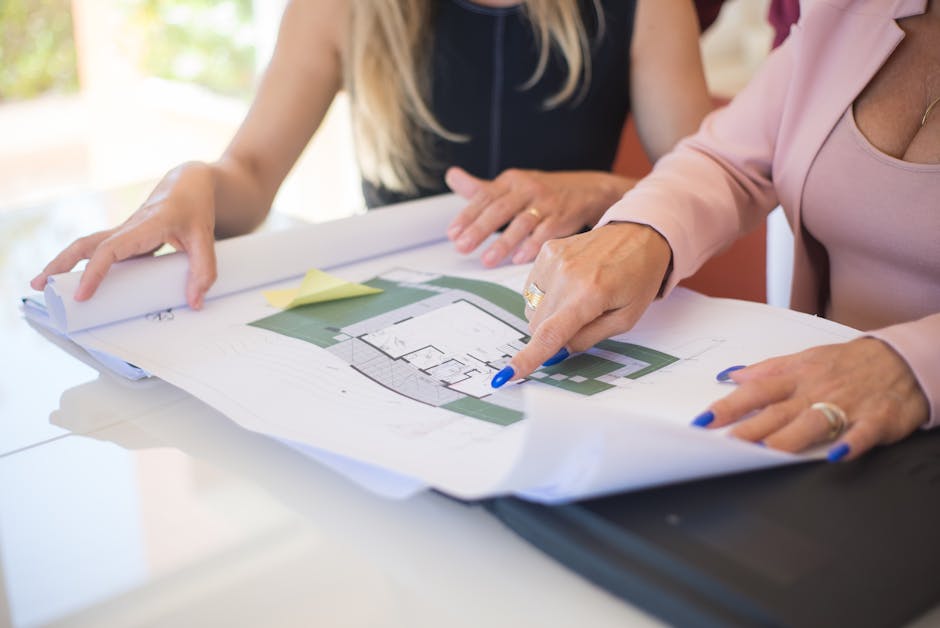
Two adults collaborating over blueprints, brainstorming ideas at a table.

Our Methodology

Komorebi Gardens operates as a provider of informational frameworks for landscape design. The methodology involves an initial consultation to understand site parameters, followed by the development of custom design plans. These plans can include considerations for hardscapes and plantings, intended for both residential and commercial property contexts. The process is described as structured, moving from assessment to guidance on project completion.

Understanding the Design Framework

The approach to landscape design involves considering multiple variables such as space, light, and existing topography. Plans are developed as informational tools that outline potential layouts and material selections. This structured methodology is intended to provide a clear overview of possible directions for an outdoor area, dependent on site-specific conditions and client considerations.

The Planning Sequence

  1. Initial Site Assessment

    A review of the property's topography, soil conditions, and existing features is conducted.

  2. Concept Development

    Preliminary layout ideas and thematic directions for the space are drafted for discussion.

  3. Detailed Plan Creation

    Comprehensive drawings and material lists are prepared based on the selected concept.

  4. Implementation Coordination

    The execution phase is managed according to the established design documentation.

Client Perspectives

The assessment phase provided a clear overview of our garden's potential limitations and opportunities. The plans were detailed.

Mr. Tanaka

We appreciated the structured methodology presented. The step-by-step explanation of the design process was informative.

The Sato Family

The team's approach to documenting the existing site conditions was thorough. The subsequent plans reflected those observations.

Ms. Chen

Considerations for Outdoor Spaces

Developing an outdoor area involves balancing functional needs with aesthetic considerations. The process typically includes zoning different activities, selecting materials suited to the local climateโ€”such as those found in Japanโ€”and planning for seasonal changes. Drainage, sun exposure, and long-term growth patterns are factored into the design framework. This informational planning aims to create a coherent structure for the space, acknowledging that the final appearance depends on various external factors including maintenance.

On Hardscapes and Plantings

This section details the two primary categories within landscape implementation. Hardscaping refers to the installation of non-living elements such as pathways, walls, and patios. Planting involves the selection and arrangement of flora based on factors like soil compatibility and sunlight. Komorebi Gardens provides information on how these elements can be integrated within a design plan, noting that specific selections are influenced by site conditions and regional availability in Japan.

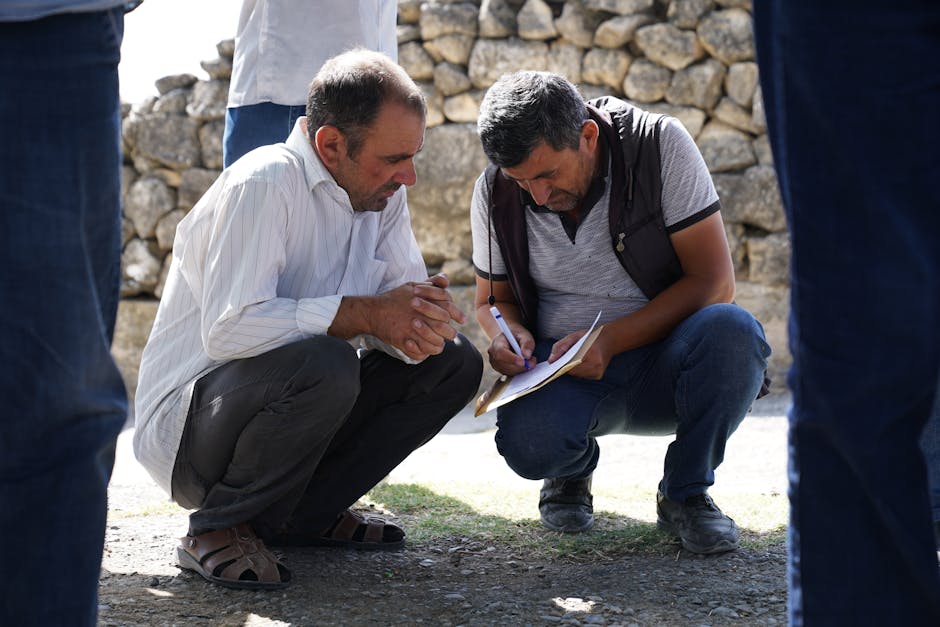
Two men squatting and analyzing paperwork outdoors in a sunny setting.

From Design to Installation

  • 01

    Material Selection Review

    Options for paving, aggregates, and plant species are reviewed in the context of the design.

  • 02

    Phasing Strategy

    A sequence for installation work is outlined, prioritizing foundational elements first.

  • 03

    Installation Oversight

    The physical implementation follows the documented plans and phasing strategy.

  • 04

    Project Documentation Handover

    Final plans and maintenance notes are provided to the property owner for reference.

The following images illustrate various applications of landscape design methodologies, showing different spatial arrangements and material uses.

Architect holding and reviewing design documents in a modern interior setting.
Two women reviewing detailed architectural blueprints in a professional setting.
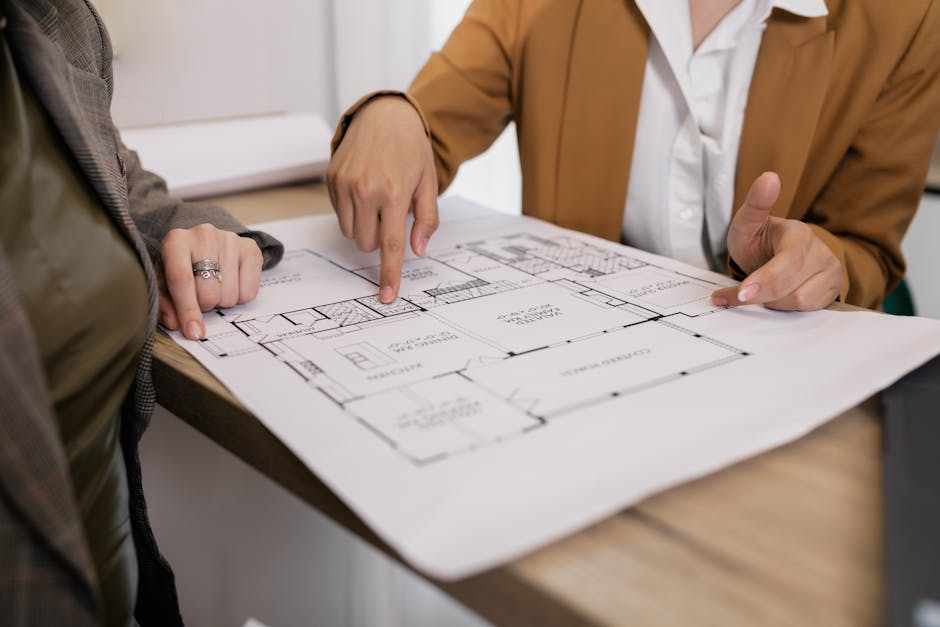
Two professionals reviewing architectural plans, focused on floor layout and design details.
Close-up of an architect using a ruler to examine blueprints on a desk.
Two engineers reviewing construction blueprints on a table in an office setting.

Residential and Commercial Contexts

The application of landscape design principles varies between residential and commercial properties. Residential projects often focus on private use and personal preference, while commercial projects may consider public access, durability, and branding. Komorebi Gardens outlines methodological approaches for both contexts, emphasizing the importance of a tailored site assessment to inform the planning stages. The scale and complexity of the design framework are adjusted accordingly.

The Role of Consultation

An initial consultation serves as an information-gathering phase. It is an opportunity to discuss spatial requirements, review the site, and outline the scope of a potential design plan. This conversation helps establish the parameters for subsequent work. The process is presented as collaborative, with input from the property owner being a key factor in shaping the direction of the informational framework.

Methodological Aspects

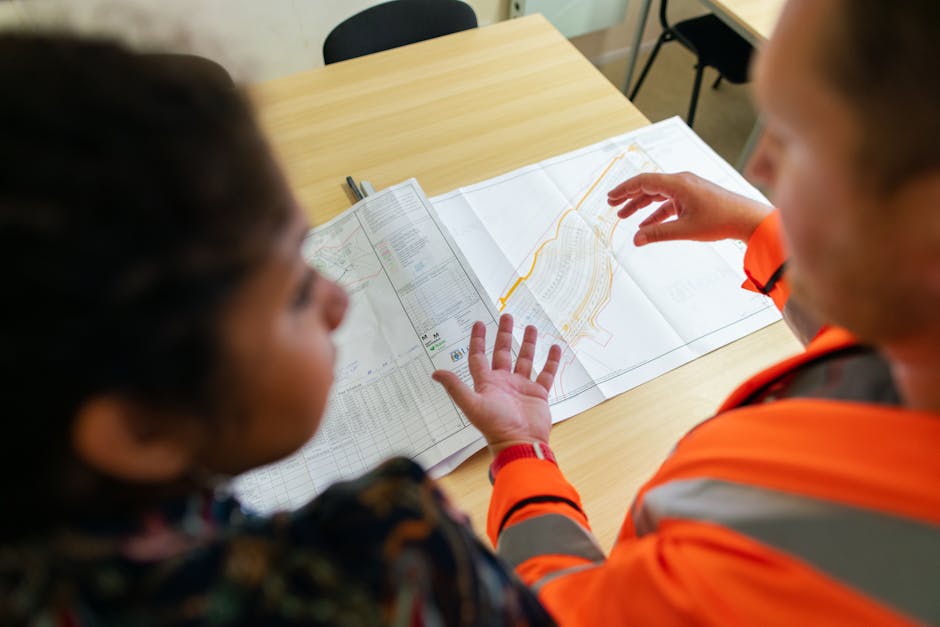
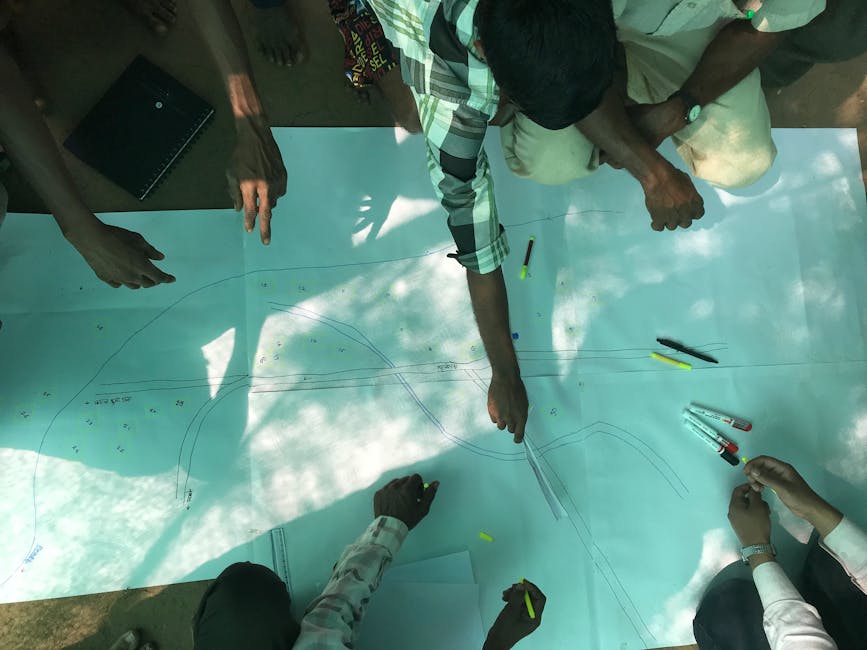
Group planning road design with drawings and tools outdoors.
  • Site-Specific Analysis

    Each project begins with a detailed review of the unique conditions present on the property.

  • Structured Planning

    Designs are developed through a sequenced methodology of concept and detail.

  • Plant Selection Criteria

    Flora is considered based on climate suitability, maintenance, and design intent.

  • Material Integration

    Hardscape materials are evaluated for durability, aesthetics, and contextual fit.

Frequently Asked Questions

  • What is the first step in the landscape design process?
    The initial step typically involves a site assessment. This is an information-gathering phase where existing conditions are documented to inform the development of any subsequent design plans.
  • Do you work with both modern and traditional garden styles?
    The methodology can be applied to various stylistic directions. The design framework is adaptable, with plans being developed based on the discussed thematic preferences for the space.
  • How are plant selections made for a design?
    Selections are based on a set of criteria including the site's sunlight exposure, soil type, regional climate in Japan, and the intended visual structure of the planting scheme.
  • What is included in a typical design plan?
    A plan may include layout drawings, lists of proposed materials and plants, and notes on construction phasing. It serves as an informational document for discussion and implementation.
  • How long does the design and installation process usually take?
    The timeline is variable and depends on project scope, site complexity, and material availability. A phasing strategy is outlined during the planning stages to provide an estimated sequence.

Planning for Sustainability and Context

Contemporary landscape design often incorporates considerations for environmental context and sustainability. This can involve selecting native or climate-appropriate plants that may require fewer resources, planning for water management through grading and permeable surfaces, and designing for biodiversity. In Japan, this also means considering seasonal aesthetics like cherry blossoms or autumn colors. These factors are integrated into the planning framework as variables that influence material and plant choices, with the understanding that ecological outcomes are subject to broader environmental conditions.

On Maintenance Guidance

Following the installation phase, informational guidance regarding garden maintenance may be provided. This can include notes on seasonal care for specific plants, irrigation system operation, and the upkeep of hardscape elements. Komorebi Gardens presents this as supplementary information to assist property owners, noting that the long-term appearance and health of a landscape are influenced by ongoing care, local weather patterns, and other external factors beyond the initial installation.

Two business professionals engaged in a collaborative meeting reviewing architectural plans.

Informational Frameworks

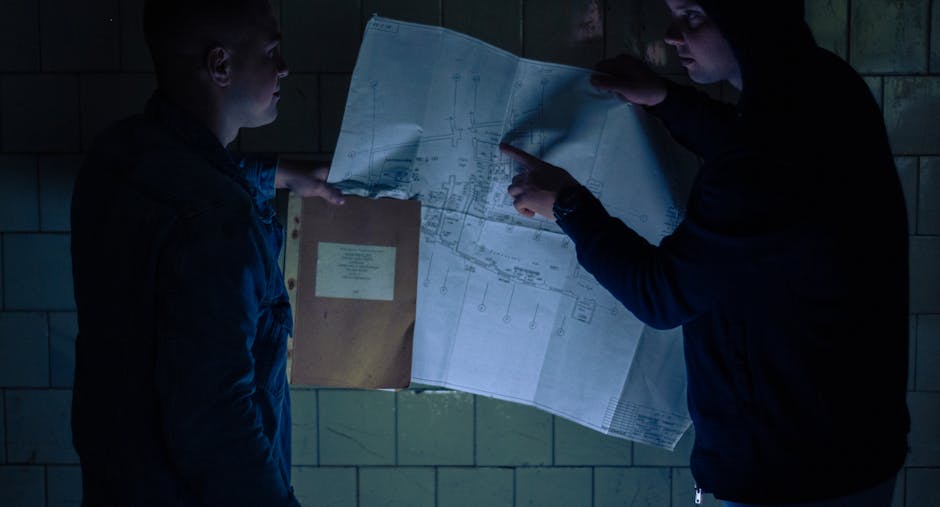
Two individuals reviewing a detailed blueprint in a low-light setting, focusing on planning and collaboration.

Contact for Further Information

For an overview of our landscape design methodology or to discuss a potential site assessment, please use the form below.

Request Information

We use cookies

We use cookies to ensure the proper functioning of the website, analyze traffic, and improve your experience. You can accept all cookies or reject them โ€” the site will continue to operate. For more details, read our Cookie Policy.